
Gender equality
Duration: 90-minute session focusing on a single topic
Overview
This class will explore what gender equality is, why it is important, and why it should be a goal for all organisations. It will help attendees to expand their understanding of gender inequality and to identify where gender equality can be improved within the workplace.
Topics Covered
- What is gender?
- What is sexism?
- What is gender equality?
- The history of women’s rights
- Gender equality today
- Intersectionality and gender
- What about men?
- What can you do?
- Q&A
Gender and equality are subjects we deal with every day in our work, and from our experience, they’re more than just policy requirements, they’re essential foundations for healthy, productive and inclusive organisations. Whether you’re in the public sector, a private business, or a charity, understanding what gender equality really means and why it matters can influence everything from staff wellbeing to performance and compliance.
When we ask “what is gender equality?”, it’s not just a matter of ensuring men and women are paid the same. It’s about ensuring all individuals, regardless of their gender, have equal access to opportunities, representation, and resources in the workplace. That includes everything from hiring practices and leadership progression to workplace culture, policies, and even the language we use day to day. For us, it’s also about making sure those working in traditionally underrepresented or marginalised gender groups feel safe, heard and valued.

Get in Touch

Gender Equality in England: Progress and Gaps
Across England, there has been notable progress in gender workplace equality over the past few decades. More women are entering leadership positions, gender pay gap reporting is now mandatory for larger employers, and awareness of issues like gender-based harassment is growing. Yet the figures still point to an uneven playing field. According to the Office for National Statistics, the gender pay gap among full-time employees in England was 7.7% in 2023, a number that has barely shifted in recent years.
What we often find when supporting clients across sectors is that organisations may assume they are ‘doing fine’ on gender equality because they’ve implemented basic policies. But in reality, gender equality at work requires much deeper change. It’s not just about the data; it’s about the lived experience of staff. For example, are trans and non-binary colleagues being included in conversations about gender and equality? Are parental leave policies balanced and genuinely accessible to everyone? These are the kinds of questions we help organisations examine.
Why Gender Equality Is Important for Organisations
Understanding why gender equality is important goes far beyond compliance with the Equality Act 2010. From our work with NHS Trusts, local authorities and businesses, we’ve seen first-hand how gender equality directly influences staff retention, wellbeing and organisational culture.
When workplaces are seen as fair and inclusive, morale improves. Employees are more engaged, and organisations are better able to attract and retain talent. It also helps reduce risks: gender-based discrimination, harassment claims, and reputational damage all carry serious consequences. But perhaps most importantly, embracing gender workplace equality builds trust. It signals that your organisation is serious about creating an environment where everyone can thrive, not just survive.
We’ve supported clients through real-world scenarios where improving gender equality had measurable results, from increased internal promotions to better staff survey outcomes. That kind of impact doesn’t happen overnight, but it’s a journey worth investing in.

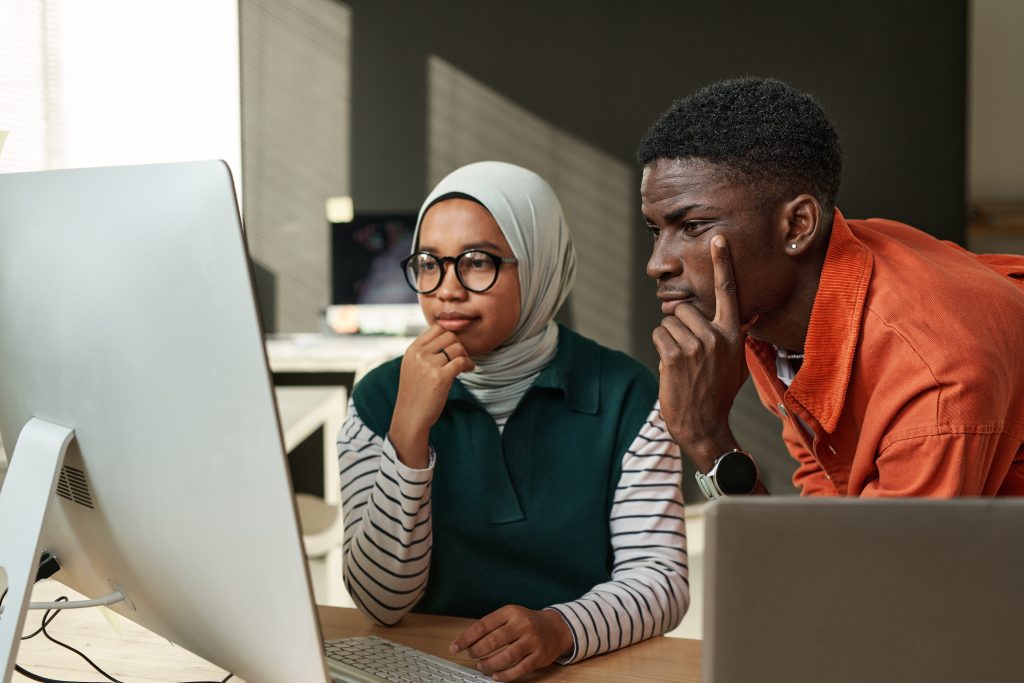
Gender Equality in the Workplace: What Does Good Look Like?
So what does genuine gender equality in the workplace look like? It’s a question many HR teams and leadership groups ask us, and while the answers vary depending on the organisation, there are several shared markers.
Fair recruitment and progression practices are key. This means not only reviewing job adverts and selection criteria for gendered language or unconscious bias but also ensuring that development and leadership pathways are open to everyone. It’s also about flexibility, whether that’s flexible working hours, parental leave for all genders, or understanding the impact of menopause in the workplace.
We also consider workplace culture: is it inclusive of all genders? Are there safe reporting mechanisms for harassment or discrimination? Are policies regularly reviewed with an EDI lens? These are practical aspects we explore through our Equality, Diversity & Inclusion (EDI) training, which can be tailored to specific sectors and real organisational goals.
Building Gender Equality at Work Through Training
From our experience, one of the most powerful ways to improve gender workplace equality is through consistent, high-quality training; not just one-off sessions, but embedded, ongoing learning. This is where we make a real difference. Whether it’s through our inclusive leadership programmes, EDI workshops, or support with Equality Impact Assessments, we help organisations move from compliance to culture change.
Our trainers don’t just deliver content, they bring lived experience, professional insight, and sector-specific knowledge. That’s particularly important when working with organisations in sectors like healthcare, education, or large commercial firms, where gender dynamics can be complex. We work in partnership with teams to explore not only what gender equality means, but how it shows up in practice and where the blind spots might be.


Making Equality Everyone’s Responsibility
A common misconception we come across is that gender equality is solely the responsibility of HR. In reality, creating a truly inclusive workplace requires involvement from every level of the organisation. That includes line managers modelling inclusive behaviour, senior leaders championing change, and employees being given the tools to challenge inequality safely and constructively.
That’s why our EDI programmes often include inclusive management training: to equip leaders with the awareness and skills to make informed, confident decisions that support gender and equality across their teams.
Taking the Next Step Towards Gender Workplace Equality
If your organisation is ready to take meaningful action on gender equality, the first step is often simply starting the conversation. From there, we can help build a tailored roadmap, whether that’s through training, consultancy, or support with policies and impact assessments.
Gender equality at work isn’t just a goal, it’s a process. One that requires commitment, honesty, and expert guidance. At Diversiti UK, we’re proud to work alongside organisations to support that journey and ensure that inclusion isn’t just a buzzword; it’s a lived reality for everyone.
Explore Bitesize Classes

LGBTQ+
Disability

Neurodiversity

Age

Menopause