Creating an inclusive Valentine’s Day
If you want a quick snapshot of how narrow Valentine’s Day can be, do not look at adverts or glossy posts online when trying to see how inclusive Valentine’s Day is. Look at the card shop.
Rows of “To my boyfriend”, “To my girlfriend”, “To my husband”, “To my wife”. And then, maybe, the odd same sex couple card tucked in among them. A nod rather than the norm. It is a small detail, but it carries a bigger message about who Valentine’s Day is designed for, and who it quietly forgets.
To be clear, this is not a piece saying people should stop celebrating. If you love Valentine’s Day, celebrate it. Romance can be genuinely lovely. The point is simply that the way the day is often marketed and talked about can make one kind of love look like the only kind that counts. That can feel isolating for anyone outside the default script.

The myth that it has always been this way
What is interesting is that Valentine’s Day has not always looked like this neat, couple centred package.
Its origins are famously unclear. There were several early figures linked to the name Valentine, and the stories have blurred over time. There is also a popular tale that the day is a direct replacement for a Roman festival in mid February. People repeat it often, but the history is not as straightforward as the myth suggests.
The version we recognise today, focused strongly on romantic pairing, gathers momentum much later, alongside medieval ideas about courtly love. In other words, the day has changed across centuries. That is good news, because it means we are allowed to shape it again, towards something that feels warmer and a more inclusive Valentine’s Day, without taking anything away from couples.
When Valentine’s can feel exclusionary
For single people, Valentine’s can land like a spotlight they did not ask for. Not everyone is single in the same way either. Some people are happily solo. Others are newly single, grieving, navigating dating fatigue, or simply tired of the idea that relationship status is a measure of success.
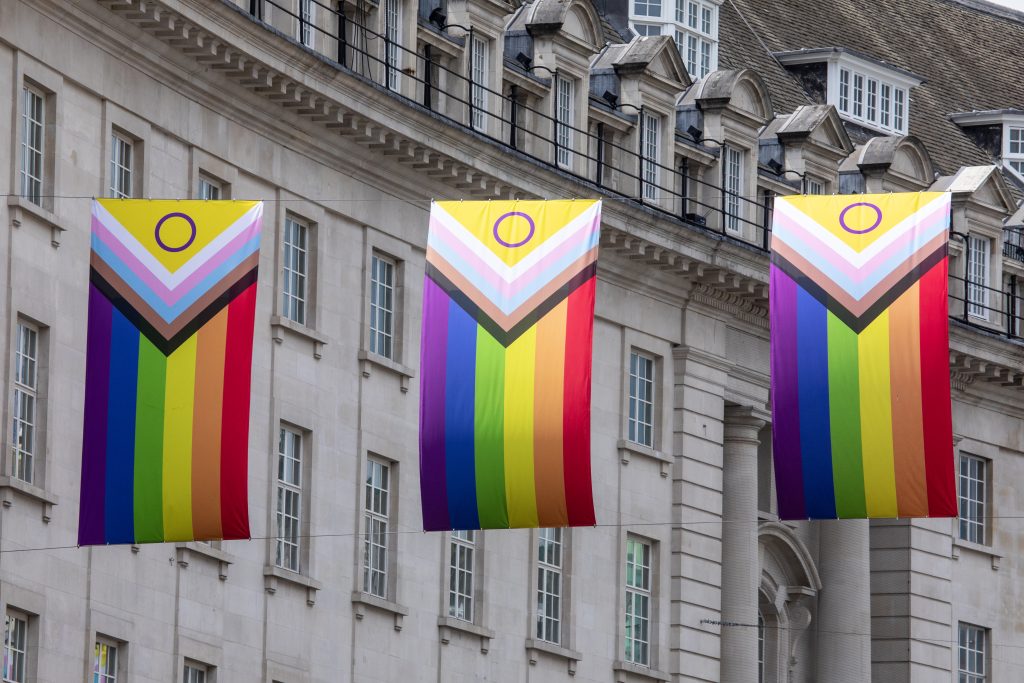
And it is not only about being single. The default settings of Valentine’s are often heterosexual and gender binary. When representation is limited to the odd card rather than built into the mainstream range, it can leave LGBTQ plus people and non binary people feeling like an afterthought.
Most of this is not malicious. It is design choices, habits, and assumptions that stack up into a message: this day is for couples like this. Everyone else can watch from the sidelines.

What a more inclusive Valentine’s Day could look like
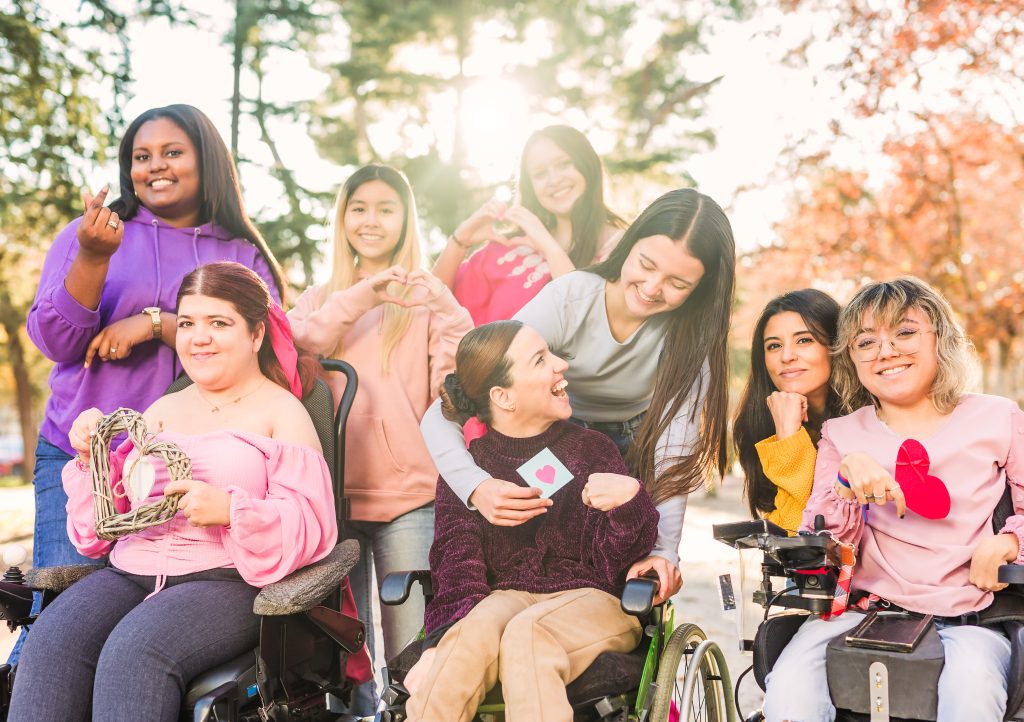
Inclusion does not mean less romance. It means more kinds of love getting to count: friendships, chosen family, community care, self care, quiet love, private relationships, and everything that does not fit in a “boyfriend girlfriend” template.
Here are a few simple shifts that can make a real difference.

Everyday language for an inclusive Valentine’s Day
Small questions can carry big assumptions. Instead of asking someone what they and their other half are doing, try something more open, such as: “Any nice plans this week?” or “Doing anything for Valentine’s, or keeping it low key?” or “Anything you are looking forward to?”
It is not about walking on eggshells. It is about leaving room for people’s reality.
Shops and marketing
If a retailer stocks inclusive Valentine’s Day cards but only a couple, it can feel like tokenism. A more inclusive approach includes a wider range of options that are easy to find, such as cards that use “partner” or “my person”, cards that reflect LGBTQ plus relationships, and cards that work for non binary people, as well as cards with inclusive Valentine’s Day messages. Representation should not be a scavenger hunt.
Workplaces
Work Valentine’s activities can be fun, but they can also put people on the spot. If workplaces want to mark the day, it helps to focus on appreciation and belonging. For example, appreciation notes for colleagues and teams, a gratitude wall, and avoiding personal jokes or questions that assume everyone is coupled up.
Social circles
If you are in a couple, it can be a kind move to remember that the day can be hard for others. A simple message that says “thinking of you” can mean a lot, without trying to fix anything. You can also widen the circle by suggesting a friend catch up either side of the day, and celebrating love as connection, not status.
An inclusive Valentine’s Day that fits more of us
Valentine’s Day can remain a celebration of romance. The shift is simply this. “Let us stop treating romance as the only love worth noticing.”
Love is also the friend who checks in. The colleague who has your back. The community that makes you feel safe. The chosen family who show up and the self respect it takes to care for yourself in a world that sometimes tells you, you are missing something.
The main point is, it is not about tearing up culture. My ask is just that everyone thinks a bit more and makes it more inclusive for everyone. In turn fewer people will feel like they are standing outside the card shop aisle wondering where they fit in.