


Marine Sector: The Growing Importance of EDI, Diversity and Mental Health at Sea
The marine sector has long been a backbone of industry and trade, supporting everything from international logistics to offshore energy. Yet when it comes to inclusive practices, employee wellbeing, and psychological safety, it’s a sector that often lags behind. For many organisations operating in this space, Equality, Diversity, and Inclusion (EDI) are still viewed as optional extras, rather than integral to performance, safety, and long-term sustainability.
At a time when recruitment challenges are mounting, mental health issues are on the rise, and younger talent is increasingly values-driven, the need for a shift in workplace culture within the marine industry is clear. Based on our experience supporting organisations across the public and private sectors, we’ve seen how meaningful EDI strategies and mental health training can have a tangible impact on workforce morale, team cohesion, and even operational safety. The marine sector is no exception. In fact, it stands to benefit more than most.
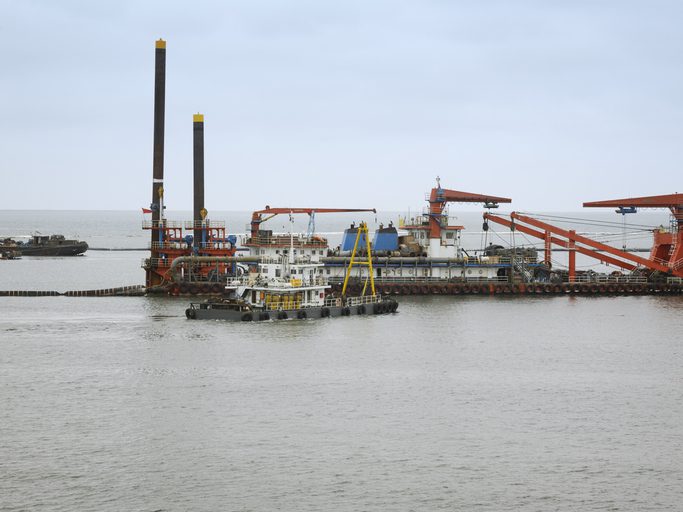

Why EDI in the Marine Sector Can’t Be an Afterthought
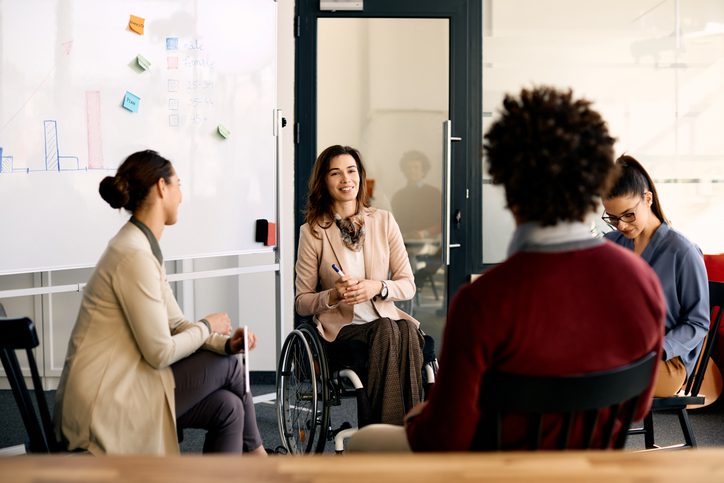
EDI in the marine sector isn’t about ticking boxes or meeting quotas, it’s about creating working environments where everyone feels safe, valued, and able to contribute fully. Seafaring roles often involve long periods of isolation, hierarchical team structures, and multi-national crews operating under immense pressure. Without an inclusive culture, it’s easy for misunderstanding, marginalisation, and conflict to arise.
We’ve found that organisations that invest in EDI training often report stronger team communication, higher retention, and fewer interpersonal issues on board or on site. When people understand unconscious bias, cultural norms, and inclusive behaviours, it leads to more psychologically safe teams, where speaking up, raising concerns, or admitting mistakes isn’t punished but encouraged.
The lack of representation in leadership roles within the marine sector is also striking. Women, people from ethnic minority backgrounds, and neurodivergent professionals remain significantly underrepresented, particularly in offshore and leadership positions. That’s why diversity in the marine sector must go hand-in-hand with internal development programmes that support progression, address systemic barriers, and equip line managers with inclusive leadership skills.
Mental Health in the Marine Sector: Still a Taboo Topic?
Mental health in the marine sector is frequently neglected, or worse, stigmatised. Life at sea or in maritime engineering roles can be high-pressure, unpredictable, and physically exhausting. Yet mental health support is often inconsistent or absent altogether.
One of the most overlooked aspects of marine work is the impact of isolation and confinement. Crew members may spend months away from family, with limited privacy and virtually no access to confidential mental health services. We’ve supported organisations who’ve described the long-term toll this takes, not just in terms of absenteeism or turnover, but in morale, safety incidents, and group dynamics.
Through our Mental Health Awareness and Mental Health First Aid (MHFA) training, we equip staff and leaders to identify early warning signs, respond appropriately to crises, and create an environment where conversations around mental wellbeing are normalised. It’s not about turning managers into therapists; it’s about giving them the tools to support their teams compassionately and confidently.
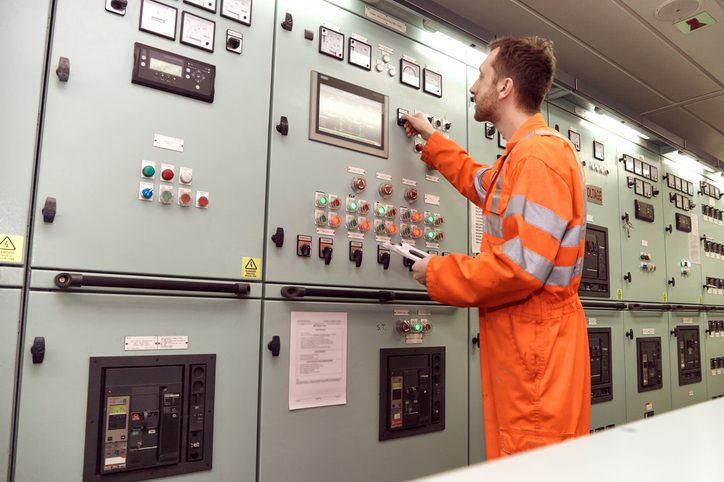
Crucially, this kind of training needs to be tailored. The challenges of working on a deep-sea trawler are very different to those faced by a port worker or marine engineer. Our programmes are always designed around the real-world experience of the teams we support because that’s where the learning sticks.
Creating Inclusive Marine Workplaces with Lived Experience at the Core
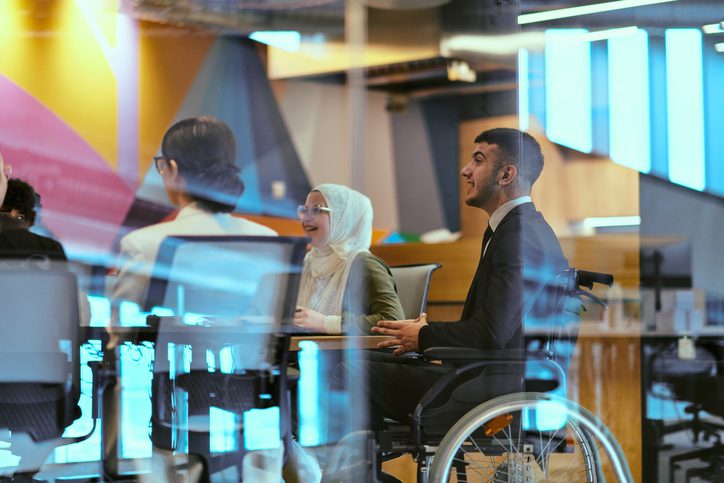
One thing that makes our approach different is that many of our trainers bring lived experience alongside their professional knowledge. This means we don’t talk about EDI or mental health from a purely academic perspective; we understand what it feels like to be the only woman on a vessel, to navigate neurodivergence in a rigid work environment, or to manage a panic attack during a shift offshore.
Our sector-specific training is delivered both online and in-person, and we adapt our content based on the realities of the organisation we’re working with. For example, we’ve supported teams preparing for Equality Impact Assessments (EIAs) in ports, advised leadership teams on cultural competency in multi-national crews, and helped offshore workers access meaningful mental health support despite connectivity and privacy challenges.
Creating inclusive practices in a marine context doesn’t happen overnight. It takes sustained effort, senior buy-in, and practical tools, not abstract theory. But the return on investment is significant: safer teams, improved retention, better decision-making, and a reputation for being a responsible, people-first employer.
Addressing Diversity in the Marine Sector Through Leadership
One of the challenges we often see in marine environments is a lack of awareness at the leadership level around the importance of diversity. There’s often a perception that “things have always been done this way” but that mindset doesn’t reflect the workforce of today, nor the expectations of younger generations entering the industry.
Our Inclusive Leadership programmes are built to support senior managers and directors to reframe how they think about EDI. This includes examining workplace culture, interrogating recruitment and promotion pathways, and reflecting on their own biases. We’ve seen leadership transformation happen when decision-makers start seeing EDI as integral to safety, performance, and growth, rather than an HR box-tick.
According to the Maritime UK Diversity in Maritime Taskforce, the sector is committed to increasing representation and improving inclusion, but action must follow intention. Training, consultancy, and support must be embedded at every level, from policy through to frontline operations.

A Human-Centred, Practical Approach to Culture Change
At Diversiti UK, we don’t offer one-size-fits-all training. Every organisation we work with receives tailored support grounded in empathy, lived experience, and real-world relevance. We believe that change happens when people feel seen, heard, and equipped with practical tools to do things differently.
If you work in the marine sector and are looking to improve team cohesion, mental wellbeing, or inclusion practices, we’d love to support you. Whether you’re preparing for an Equality Impact Assessment, upskilling line managers in inclusive leadership, or introducing mental health awareness training across your team, our flexible training can be shaped around your context and workforce.