Mental health in the rail industry
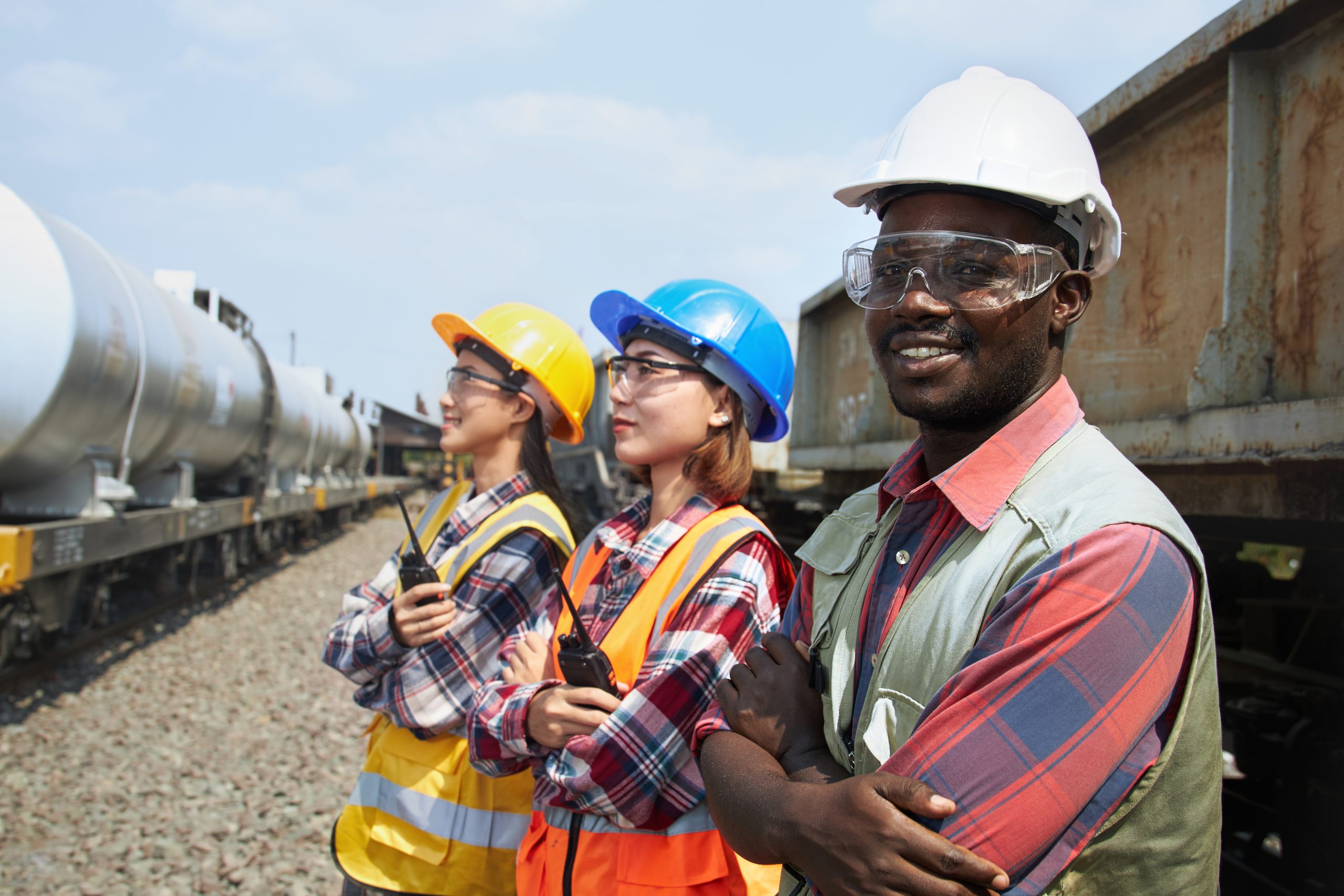
The rail sector runs on people: drivers, station teams, maintenance crews, control room staff, project managers, contractors and leaders who keep the network moving in all conditions. In our experience, that “always on” reality can bring pride and purpose, yet it can also create pressure that’s easy to miss until it starts affecting performance, attendance, relationships at work, or safety-critical decision-making.
Mental health in the rail industry deserves the same level of planning and day-to-day attention we give to physical safety, because the two are closely linked. Mind puts it plainly: in rail, mental health and safety walk hand in hand, and staff need practical support that helps them do their jobs well and go home well.
When we talk about mental health, we’re talking about mental wellbeing and work-related stress as much as anything else. That means building environments where people feel able to speak up early, managers know what to do, and support is consistent across teams, sites and shifts. And because rail is built on varied roles, cultures and working patterns, the conversation has to include diversity in the rail industry as well, because one-size-fits-all approaches rarely land well in practice.

Why rail is different
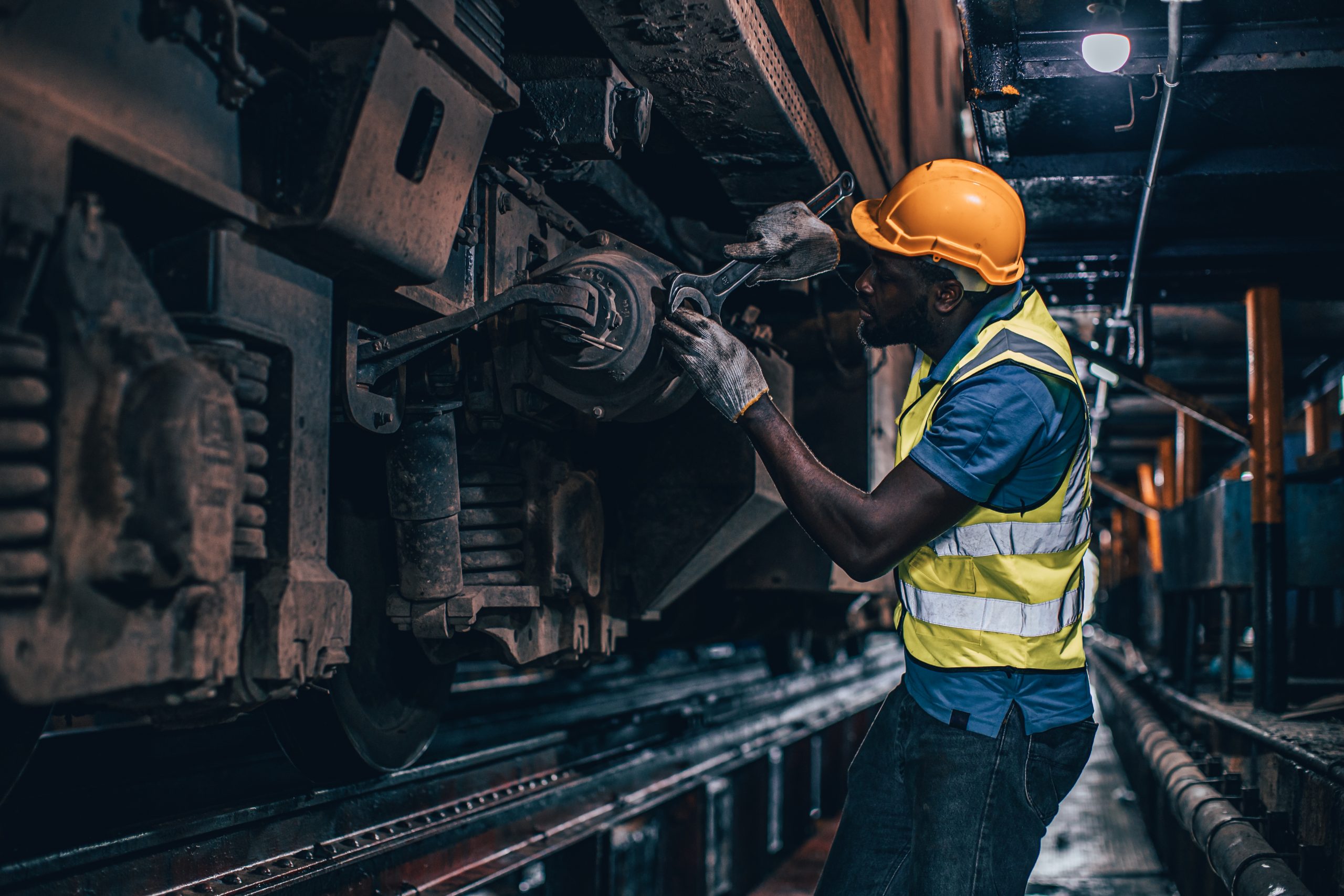
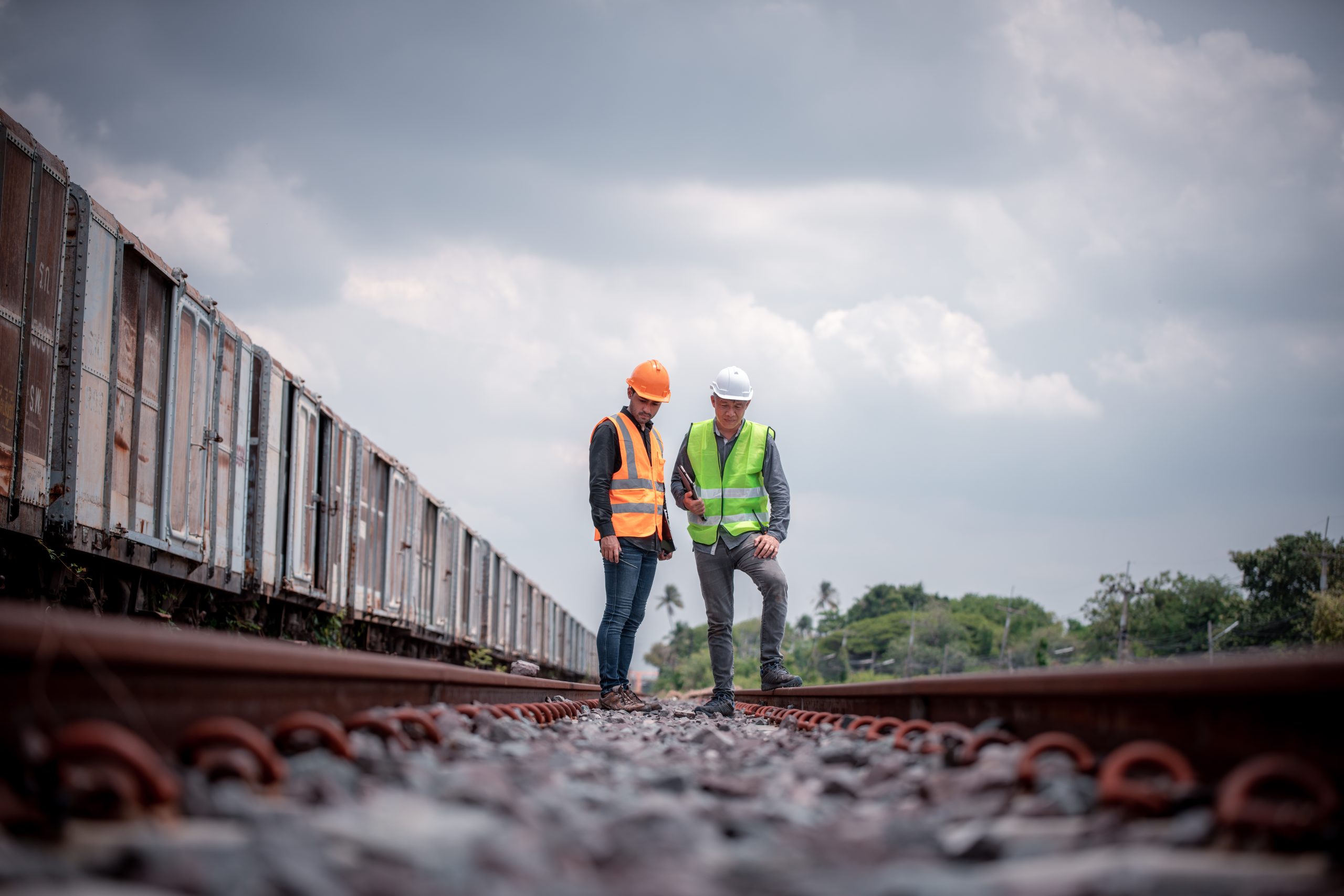
Rail has distinctive working conditions that can put extra strain on wellbeing. Shift work, long hours, exposure to traumatic incidents, and constant attention to risk are common realities, and these factors are explicitly recognised in industry discussion about managing mental health.
That does not mean poor mental health is inevitable. It means organisations need rail-specific thinking: clear standards, supportive leadership behaviours, and a workplace culture where mental health isn’t treated as a “private issue” that people must deal with alone. Network Rail’s own health and wellbeing strategy highlights the importance of tackling stigma, strengthening manager capability, and improving support and signposting so conversations can happen earlier and more openly.
In other words, this is a systems issue, not an individual weakness. When we treat mental health as part of how work is designed and led, we make it easier for people to stay well, recover sooner, and stay engaged.
The link with diversity in the rail industry
Rail organisations are increasingly diverse, and that is a strength. At the same time, lived experiences differ: someone new to the sector, someone from an underrepresented community, someone who is neurodivergent, or someone managing a disability may face extra friction in the way work is structured, communicated, or supported. Our work across Equity, Diversity and Inclusion (EDI), disability awareness and neurodiversity training repeatedly shows that inclusion and wellbeing are connected in day-to-day working life.
When inclusion is weak, mental load rises. People spend energy code-switching, masking, anticipating bias, or worrying about how they’ll be judged if they ask for adjustments, speak up, or take time off. When inclusion is strong, teams are clearer, kinder and more consistent, which reduces uncertainty and makes it easier to get support early, especially in high-pressure environments like rail.
So when we plan mental health in the rail industry, we always encourage clients to view it through an EDI lens: who feels safe to talk, who gets listened to, who gets adjustments quickly, and who quietly falls through gaps.

What “good” looks like in practice
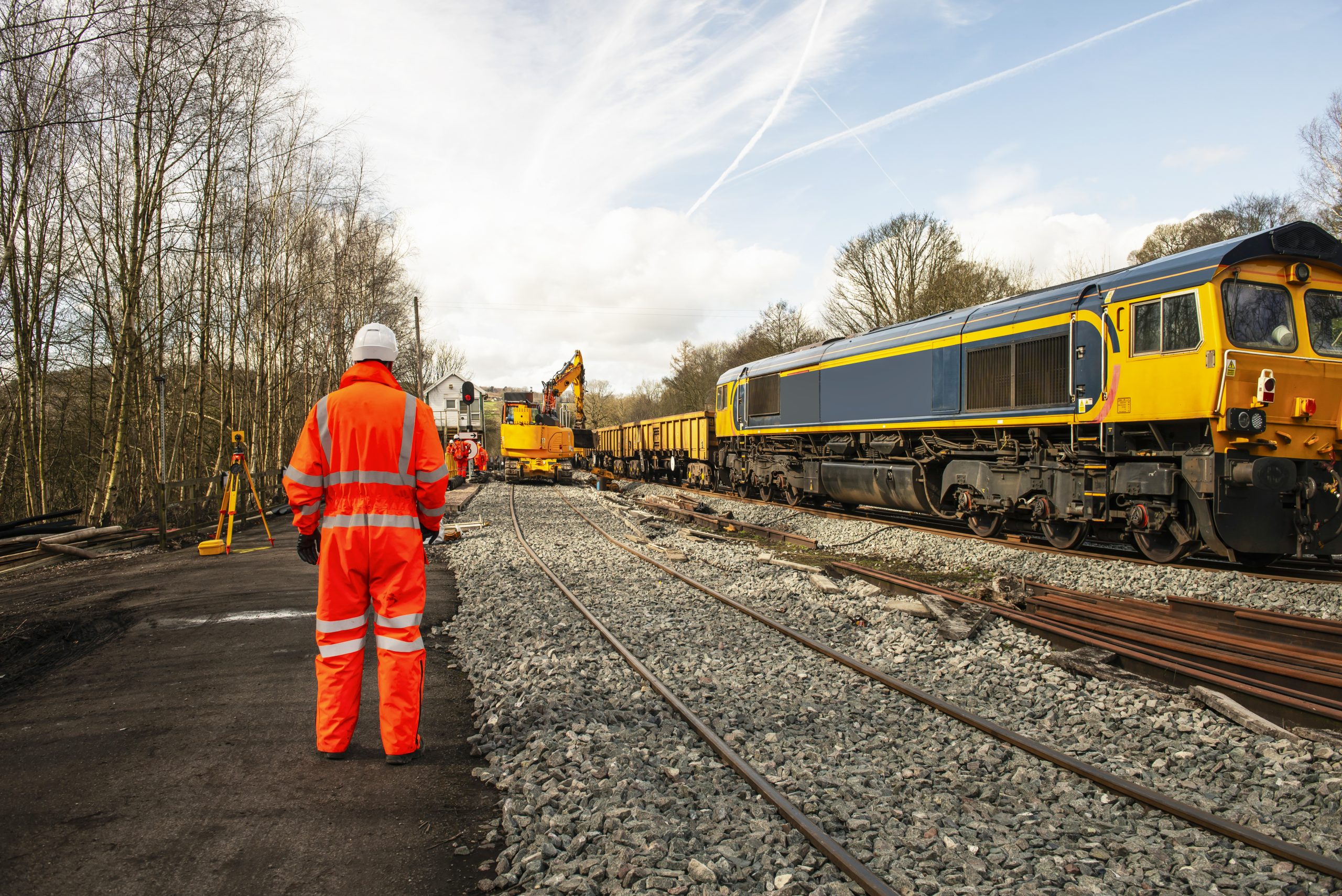
In our experience, progress happens when mental health support is practical, visible, and built into management routines, not treated as a once-a-year campaign. Network Rail’s strategy describes developing standards around stress and traumatic incident management, alongside manager training and awareness work, which mirrors what we see as effective: clear processes, confident managers, and consistent signposting.
Here are six practical building blocks we recommend for rail organisations:
- Leadership commitment that’s seen in priorities, time, and funding, not just statements; the Railway Mental Health Charter frames this as a core pillar for leaders.
- Manager capability: training line managers to notice changes, start supportive conversations, and respond consistently; Network Rail highlights bespoke manager training as part of its mental wellbeing work.
- Trauma-informed pathways: clear steps after difficult incidents, so staff are supported quickly and respectfully, rather than left to “get on with it”.
- Support that’s easy to access: confidential routes, clear signposting, and options that work around shifts and remote sites; Mind’s rail toolkit gathers practical resources chosen with RSSB input.
- Culture and stigma: normalising conversations and making it safe to ask for help, which Network Rail explicitly links to reducing taboo and improving openness.
- Measurement and learning: checking what’s working through data and feedback so actions stay relevant as the organisation changes.
When these pieces are in place, we typically see earlier interventions, fewer “crisis moments”, and better retention, because people can picture a future in the sector without burning out.
How we support rail employers
We support organisations with training and consultancy that connects employee wellbeing with EDI in a realistic, work-focused way. On our site, we set out that we deliver tailored training (in-person, online or hybrid) across EDI, mental health, neurodiversity, cultural awareness and inclusive leadership—because workplace culture changes when skills and behaviours change across teams.
We also recognise that “off the shelf” rarely fits complex workplaces, which is why we design bespoke services when organisations need something shaped around their roles, risks, and operational patterns. In rail, that might mean building manager confidence for sensitive conversations, aligning mental wellbeing work with existing safety routines, or strengthening inclusive leadership so people feel respected and supported across the whole workforce.
If you’re looking at mental health in the rail industry and want support that is clear, people-centred and grounded in real workplace experience, we can help you plan training, review your current approach, and build a programme that fits your teams and your operational reality.