


EDI in the Film Industry
Film and TV sets can be incredible places to work: fast-moving, creative, and full of talented people with different skills pulling in the same direction. From our experience supporting organisations with Equity, Diversity and Inclusion (EDI) and workplace wellbeing, we also know that the pressure, pace, and informal “that’s how it’s always been done” culture can leave some people excluded or simply worn down. The result is that brilliant people leave the industry, and productions lose out on talent, fresh thinking, and trust.
When we talk about EDI in the film industry, we’re talking about fair access to work, respectful day-to-day behaviour, and the conditions that help people do their best work. It’s about who gets hired, whose voices are heard in development and on set, whose stories get backed, and whether working practices allow people with different needs to thrive. Done properly, EDI is practical: it shows up in call sheets, casting briefs, schedules, risk assessments, and how teams communicate under pressure.
We’re also seeing more production companies and commissioners asking for evidence of good practice, rather than relying on good intentions. In the UK, the BFI Diversity Standards provide a clear framework to improve representation and equitable opportunity across film and the wider screen sectors, and they’re tied to funding expectations in many cases. That shift is useful, because it moves EDI from “nice words” to measurable action with an EDI programme. Our EDI training programmes are always designed around the real-world experience of the teams we support because that’s where the learning sticks and what helps those measurable actions become part of the culture.


What EDI looks like on a production
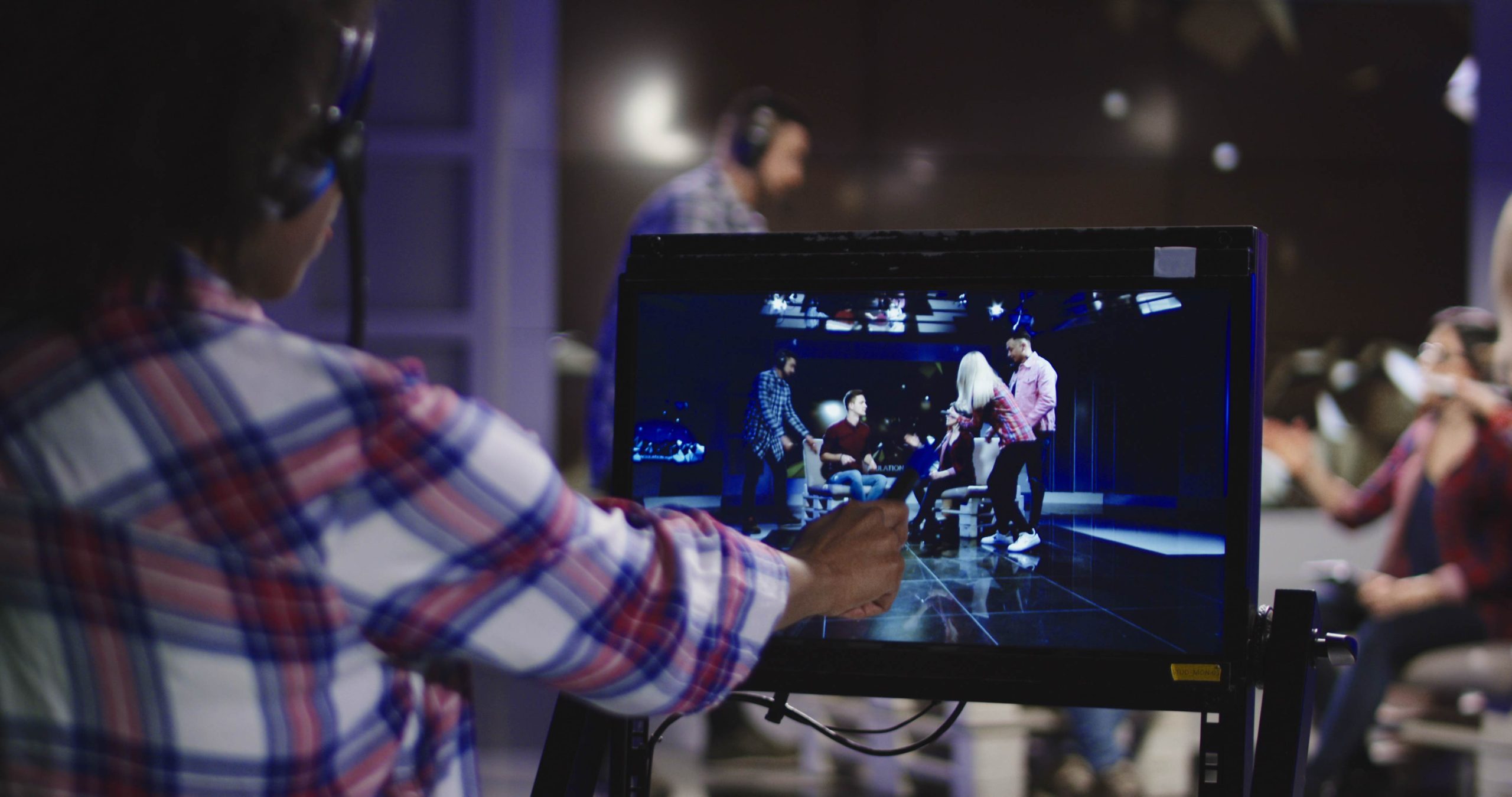
Diversity and inclusion in the film industry starts long before day one of the shoot. It begins with who is in the room when a project is commissioned, written, greenlit, and crewed, because those early choices shape everything that follows. We encourage teams to look at inclusion across the full workflow: development, recruitment, on-set culture, supplier choices, and wrap (including who gets credited, developed, and recommended for the next job).
Cultural diversity in the film industry is often discussed in terms of on-screen representation, yet off-screen inclusion matters just as much. If a production wants authentic stories, it needs creative spaces where people can challenge assumptions safely and where cultural context is treated as expertise, rather than an afterthought. For many teams, the biggest win comes from small operational shifts: clearer expectations for conduct, better briefing for line managers, and a plan for handling issues quickly and fairly.
The BFI Diversity Standards are helpful here because they set out a structured approach for improving inclusion across different areas of a project, supporting industry-wide change rather than one-off gestures. Used well, frameworks like this can guide decisions on roles, progression routes, and access to opportunities, which is where many barriers tend to sit.
Barriers that keep people out
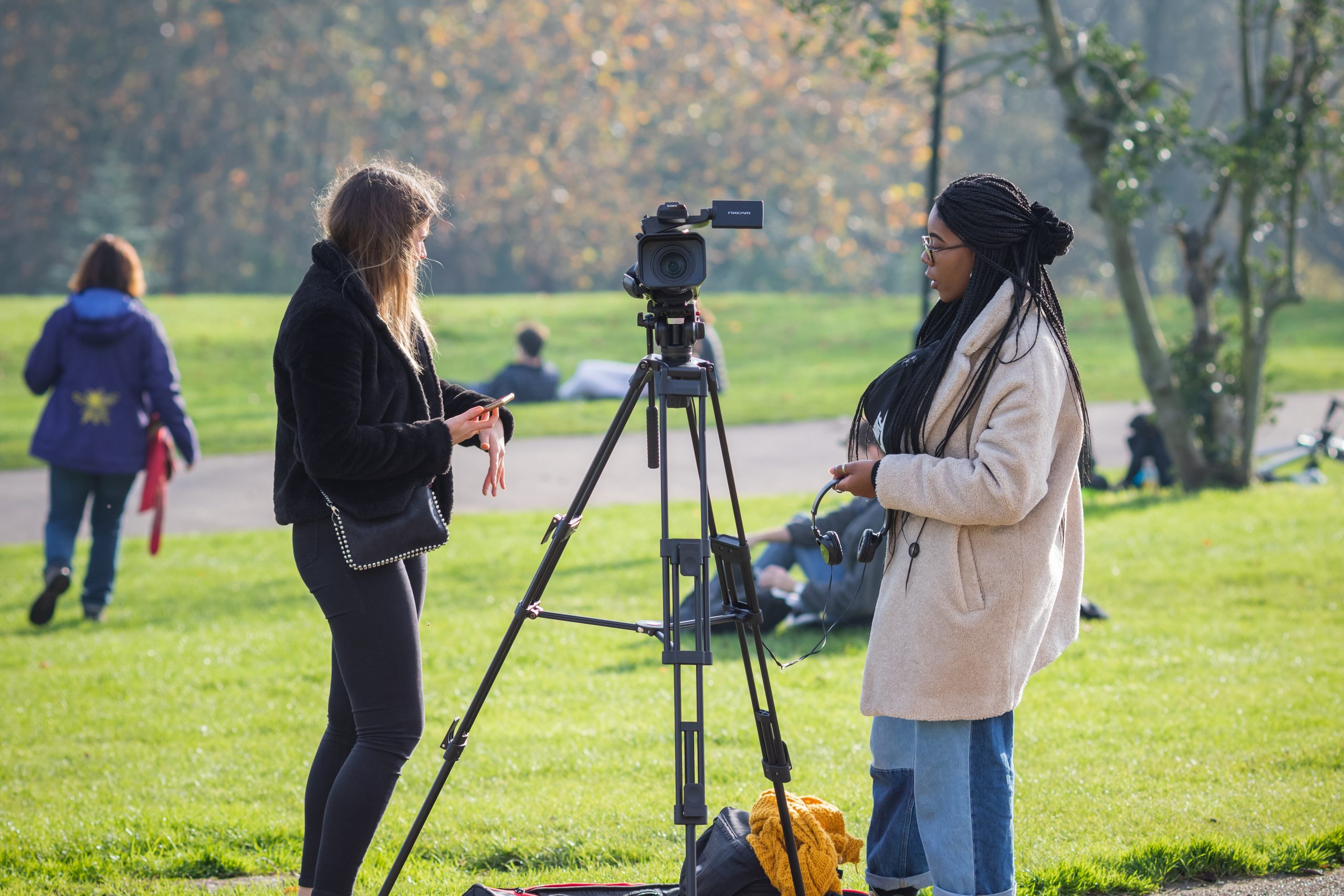
The film industry still relies heavily on informal recruitment: who you’ve worked with before, who someone recommends, who can jump on a job tomorrow. That approach can unintentionally lock out people who are new to the sector, returning after a break, living outside the usual hubs, or balancing caring responsibilities. It can also disadvantage disabled professionals and those from underrepresented communities when adjustments are treated as “too hard” within tight schedules.
We also see how power dynamics on set can silence people. When someone worries they’ll be labelled “difficult”, they may avoid raising issues about inappropriate comments, bullying, or poor working practices. Over time, that damages retention and makes it harder for productions to build genuinely mixed teams, particularly in senior creative and leadership roles.
Another common challenge is confidence: many leaders want to do the right thing, yet feel unsure about language, cultural awareness, or how to respond when something goes wrong. This is where practical, plain-English training helps, because it gives managers and crew a shared baseline and specific behaviours to follow, even under pressure.
Mental health in the film industry
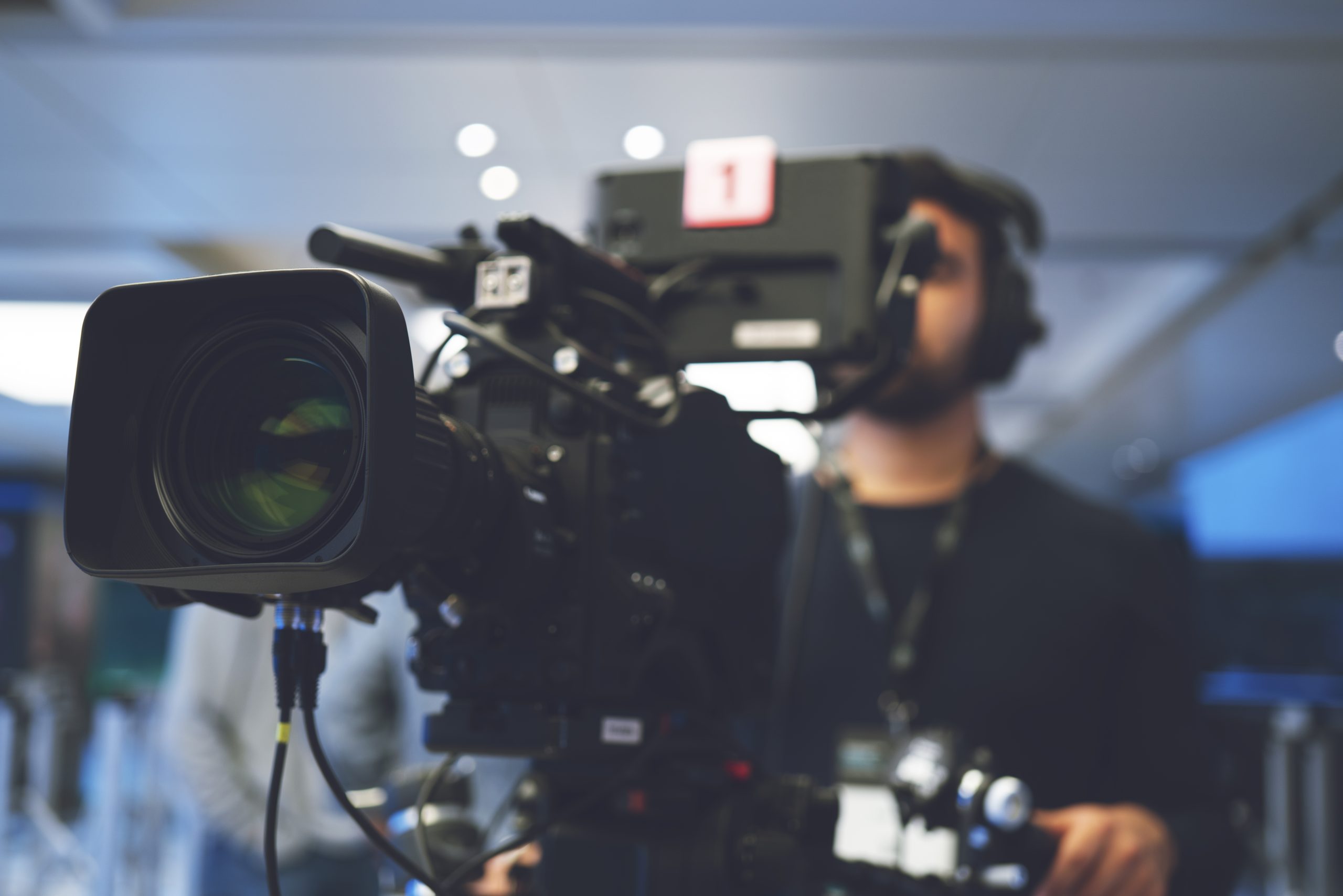
Mental health in the film industry is closely tied to how work is organised: long days, late changes, job insecurity, intense scrutiny, and the emotional demands of certain roles. When those pressures stack up, people can end up working while unwell, withdrawing from colleagues, or leaving the sector entirely. In a BAFTA industry discussion referencing the Film and TV Charity’s 2024 Looking Glass Survey, 35% of over 4,300 production respondents reported a decline in their mental health, and only 12% felt the industry was in a healthy place in this regard.
We take a whole-workplace view of wellbeing because awareness alone rarely fixes the underlying causes. Productions benefit when they treat mental health as a core part of planning, alongside budgets and schedules, and when they define what support looks like during prep, shoot, and post. Practical options can include clearer fatigue management, mental health risk assessments, better line management, and named routes for raising concerns without fear.
There is also growing guidance that employers can lean on. ScreenSkills and the Film and TV Charity have partnered to provide a framework to support those responsible for mental health training in film and TV, with an emphasis on a more integrated approach rather than a single session. For production leaders, that’s a prompt to think about ongoing capability: how heads of department support teams, how freelancers are included, and how help is signposted consistently.
How we support film organisations
We’re an award-winning training provider, and our work spans EDI, mental health, neurodiversity, disability awareness, and cultural awareness, delivered in-person or online depending on what your teams need. Because we’re values-led and practical, we focus on behaviours and decision-making that hold up on real productions, rather than theory that disappears when the schedule gets tight. We also provide consultancy, audits, and analysis to help organisations understand where they are now and what to prioritise next, which is often the missing link between intent and consistent practice.
Where film organisations need something more tailored, we design bespoke support around the realities of their workforce, including freelancers, short contracts, and mixed seniority teams. And because our social purpose sits at the heart of what we do, we reinvest our profits into supporting marginalised communities, so every project contributes to wider impact beyond a single production. If you want to build a healthier, more inclusive working culture across your slate, we’re ready to help you shape a plan that fits your people and your productions.
A Human-Centred, Practical Approach to Culture Change
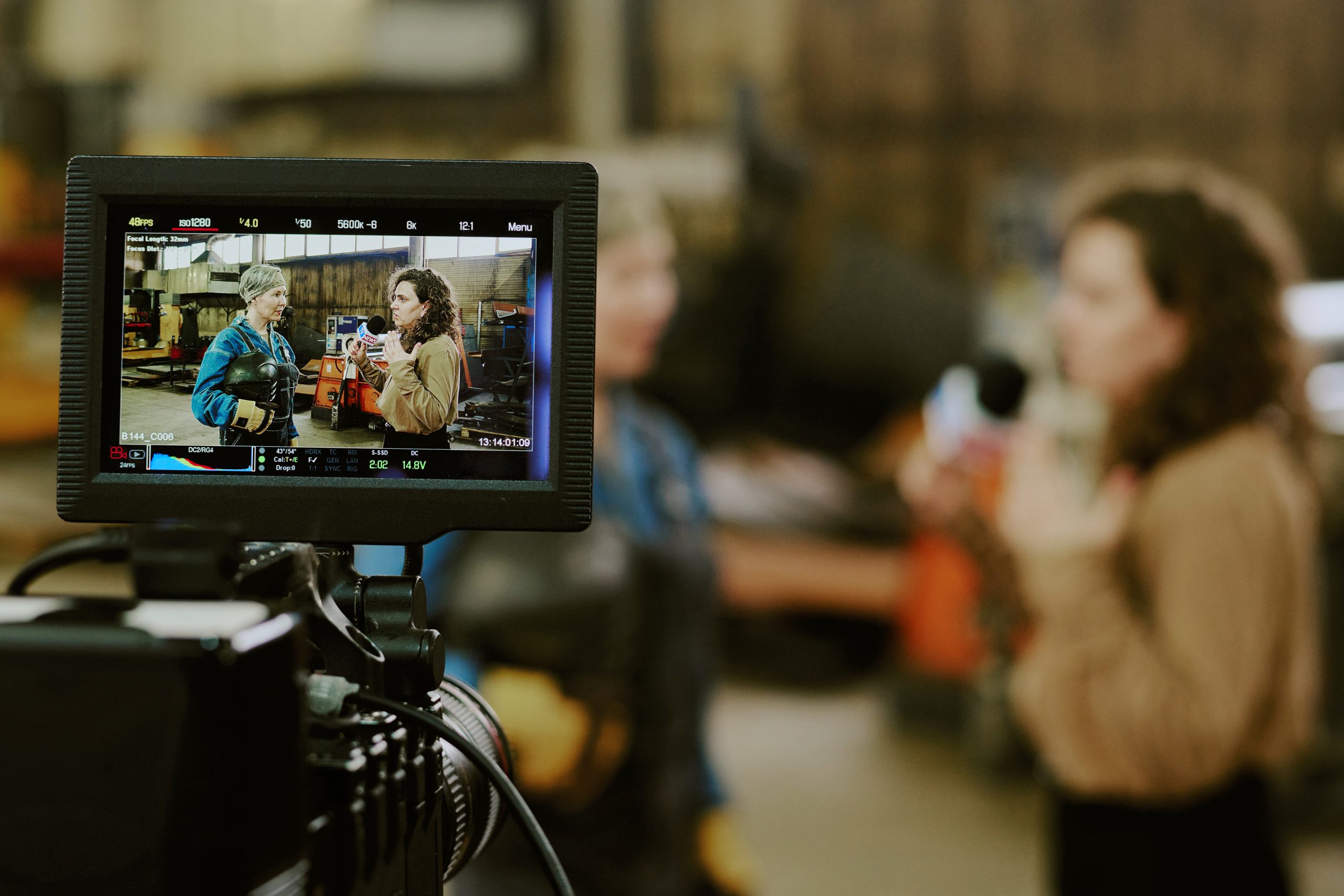
At Diversiti UK, we don’t offer one-size-fits-all training. Every organisation we work with receives tailored support grounded in empathy, lived experience, and real-world relevance. We believe that change happens when people feel seen, heard, and equipped with practical tools to do things differently.
If you work in the film sector and are looking to improve team cohesion, mental wellbeing, or inclusion practices, we’d love to support you. Whether you’re preparing for an Equality Impact Assessment, upskilling supervisors in inclusive leadership, or introducing mental health awareness training across your team, our flexible training can be shaped around your context and workforce.